Articles

At the Water’s Edge: Exploring Chesapeake Bay

By : Judy Colbert/Photos by Ryan Hulvat
American Eagle Latitudes magazine

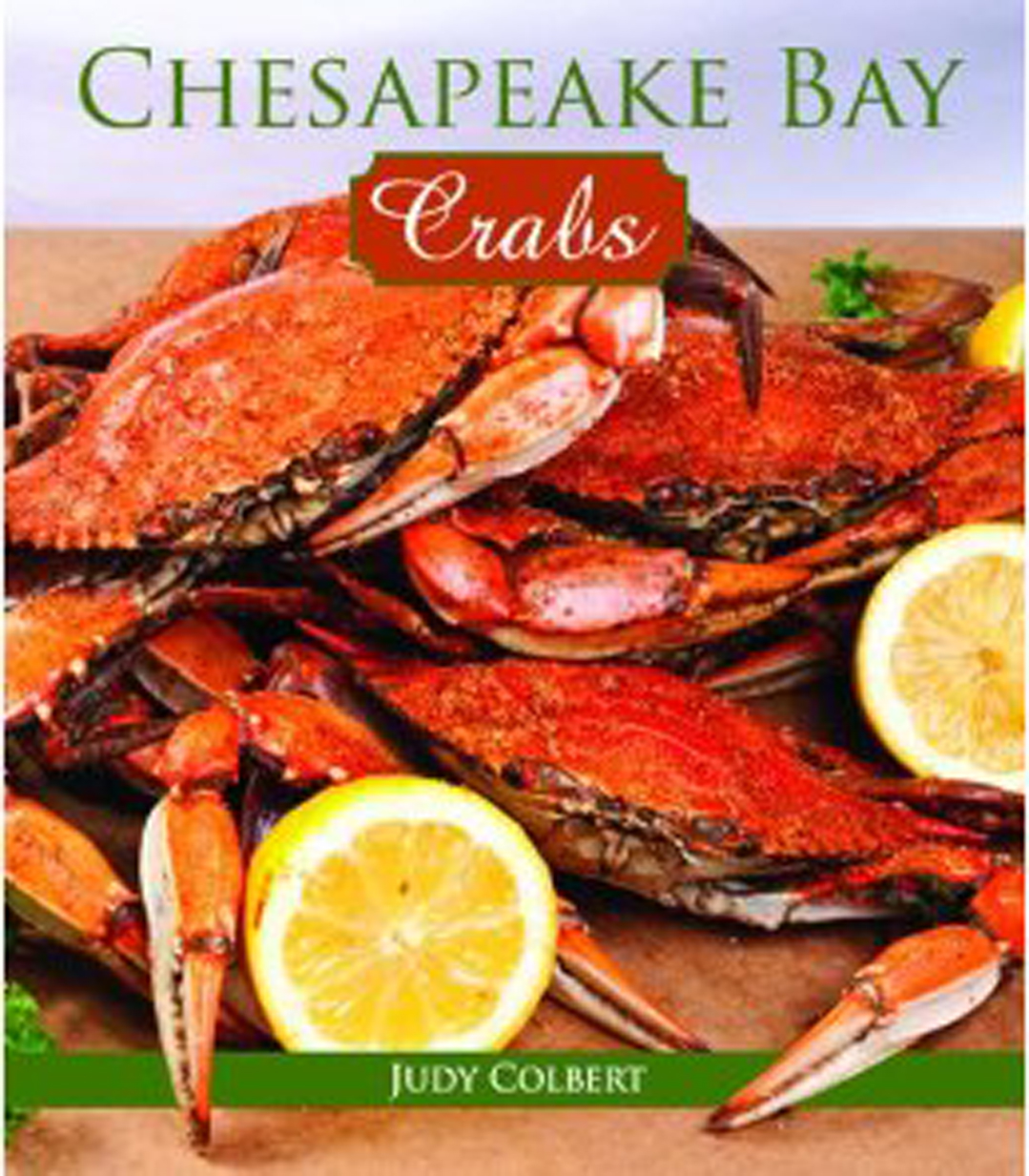
People have been enjoying the bounty of the Chesapeake Bay for 10,000 years, since the last Ice Age melted and flooded the Susquehanna River, forming the bay. Long after Native Americans inhabited the area, the first Europeans settled in towns along the bay. They're now the historic towns of Maryland and Delaware with remnants of those days visible in the architecture and local museums. Residents and visitors still delight in the plentiful catches from the bay, including oysters, clams and the regional delicacy known as the Chesapeake Bay Blue Crab.

Havre de Grace

Perched at the top of the Bay where the Susquehanna meets Chesapeake Bay, Havre de Grace was incorporated in 1785. The town became known as the “Decoy Capital of the World” thanks to all the master carvers who lived in the area. While here, look around at Victorian homes and search for street names that hint at the rumors that the town was considered, for a brief moment in time, as the nation’s capital.

Area attractions include the Decoy Museum—renowned for its prized collection of hand-carved duck decoys—the Susquehanna Museum and the Concord Point Lighthouse (circa 1827), one of the oldest in continual operation on the East Coast.

Then, settle in at Price’s Seafood, a shanty-style crab house with knotty pine on the walls and clean newsprint paper (no printing) on the tables. Freshly steamed crabs come off the cooking line every 30 minutes. Price’s has been a favorite since it opened more than 50 years ago. Irene Walsh, granddaughter of the original owner, is now at the helm. Throw in some sweet local-grown corn on the cob, three different types of crab soup, Maine lobsters, salads, and some cold beer and you’ll feel like a native.
654 Water Street, 410-939-2782

St. Michaels
For those eager to see the Eastern Shore, or the DelMarVa (Delaware, Maryland, Virginia) Peninsula, try St. Michaels. It’s known as the town that fooled the British on August 10, 1813, when the residents placed lanterns in the treetops and atop ship masts and the British bombed them instead of homes and buildings.

Everything’s shipshape at the Chesapeake Bay Maritime Museum, where you’ll see an example of the unique screw pile or piling lighthouse that was moved in 1966 from Hooper Straight, just a few miles away. Other maritime exhibits are on display and the gift shop is superb. Buy a miniature model of the lighthouse to assemble and paint when you return home; or choose from plenty of books about the Chesapeake and its lighthouses.

From here, you can walk through town to shop for antiques, take the St. Mary’s Square walking tour, check out the 1839 former Methodist church (now a Masonic hall) and see the Cannonball House, the one residence that suffered damage during the Revolutionary War.

To satiate your desire for hard shell crabs and other fresh fish and shellfish, stop at the St. Michaels Crab House, housed in a former oyster shucking shed dating from the 1830s. Patrons can choose from both indoor and outdoor dining areas overlooking the water.
305 Mulberry Street, 410-745-3737, www.stmichaelscrabhouse.com

Crisfield

A little farther south is Crisfield, the self-proclaimed “Crab Capital of the World.” The town charter was issued in 1872 and much of the land you walk on is made from billions of oyster shells used for swamp fill. Sailing vessels and steamboats plied the waters between here and Baltimore or Norfolk, loaded with crabs, oysters and passengers. To appreciate the local history, stop by the J.C.W. Tawes & Son crab-picking operation or visit the J. Millard Tawes Historical Museum.

Then sink your teeth into delicious crabs at the Original Captains Galley, overlooking Tangier Sound and the City Dock. Watch the working and pleasure boats doing what they do best. When the weather permits, there’s dining on the outdoor deck.
1021 West Main Street, 410-968-3313

Reedville
Back on the western edge of Chesapeake Bay is Reedville, the town that menhaden fish and Elijah Reed built, starting in 1867. Tons and tons of the tiny fish, used for meal and other purposes, have been caught and processed here over the decades. There’s only one menhaden fish factory left, but you can see the area’s history at the Reedville Fishermen’s Museum, complete with workboats out back. Talk with Cara Sutherland, the museum’s director, and pick up a walking tour brochure so you can understand the history of the town’s Victorian homes.

As you stroll through town, be prepared to wave, for everyone waves hello and it wouldn’t be polite to not return the greeting. There are a few retail establishments and a handful of bed-and-breakfast operations, as well as ferries that carry passengers to either Tangier or Smith Island in the middle of the bay. Mostly people come here to fish, boat, hike, trek through the marshes and watch eagles.

When you’ve reached the end of the road and you see a warehouse-type building with a red roof, you’re at the Crazy Crab Restaurant at Reedville Marina. It’s a relative newcomer for these parts (it opened in the late 1990s), but owners Charles and Olivia Williams have made a name for themselves. Look for hard shell crabs in season, and local cuisine and homemade specialties, both of which change with what’s available at the market. Enjoy indoor dining with large windows and outdoor seating so you can watch the boats on Cockrell's Creek and the Great Wicomico River, listen to the osprey serenading you, and just feel the sense of satisfaction that a good life brings.
902 Main Street, 804-453-6789

Book your next trip on American Eagle. Visit aa.com or call American Reservations at 1-800-433-7300, or your travel agent for details.